Understanding Court Reporting: A Summary of Its Role in the Legal Process
Court reporting is a necessary element of the legal system. It guarantees that every spoken word during trials and depositions is accurately transcribed. This transcription provides a reputable document for future reference. Stenotype reporter possess specialized abilities and must browse numerous innovations. durham court reporting. As the legal landscape evolves, so as well does the role of these professionals. Comprehending their effect elevates crucial concerns regarding the future of lawful documents and accountability
The Significance of Accurate Transcription in Lawful Procedures

Precise transcription plays a crucial role in legal procedures, acting as the foundation for justice and liability. Stenotype reporter, charged with capturing spoken dialogue throughout depositions and trials, guarantee that every word is documented with accuracy. This transcription ends up being a vital record, permitting courts, lawyers, and judges to review the process precisely. Mistakes or noninclusions in transcription can bring about misunderstandings, misconceptions, and potentially unfair end results.
Furthermore, these records function as official records that can be referenced in future lawful activities, charms, or scholarly analyses. The honesty of the judicial process counts greatly on the reliability of these files. The capacity to offer a clear, verbatim account of testaments and debates is vital in promoting the guideline of regulation. The significance of accurate transcription can not be overemphasized; it is necessary for assuring reasonable trials and maintaining public depend on in the lawful system.
The Abilities and Credentials of Court Reporters
While the role of a stenotype reporter is essential in the legal system, it calls for an unique set of skills and certifications to ensure efficient performance. Effectiveness in shorthand or voice writing is required, enabling press reporters to catch talked language properly and effectively. In addition, a solid understanding of lawful terminology and procedures is vital, as court press reporters need to understand complex discussions that take place during trials and hearings.
Attention to detail and phenomenal listening abilities are required to guarantee exact records - durham court reporting. Many court reporters possess certification from accredited programs, which often include rigorous training in transcription methods and legal ethics. Solid social abilities likewise play a considerable duty, as reporters regularly engage with witnesses, judges, and lawyers. Inevitably, the mix of technical proficiency, lawful understanding, and interpersonal abilities furnishes stenotype reporter to accomplish their duties successfully within the judicial system
Different Kinds of Court Reporting Providers
Court reporting solutions include a selection of specific functions customized to satisfy the requirements of the legal system. One famous type is deposition reporting, where court press reporters transcribe witness statements beyond court settings, often for use in tests. An additional solution is real-time reporting, which gives immediate transcription throughout proceedings, allowing attorneys to gain access to online message feeds. In addition, some stenotype reporter supply transcription of audio and video clip recordings, making certain accurate documents of events.
Shut captioning services are likewise offered, decriminalizing procedures available to people with hearing disabilities. Many court reporting companies specialize in offering certain legal areas, such as household law, criminal law, or company legislation, therefore using tailored experience. Some press reporters might provide video deposition solutions, which improve the paperwork process via aesthetic context. Each kind of solution plays an important function in guaranteeing the precision and integrity of legal documents.
The Modern Technology Behind Modern Court Reporting
Modern court reporting counts greatly on sophisticated innovation to improve accuracy and performance. Stenography makers, digital recording methods, and real-time transcription software program are essential elements of this area. These tools not just facilitate the transcription procedure however likewise ensure that lawful procedures are documented with precision.
Stenography Machines Explained
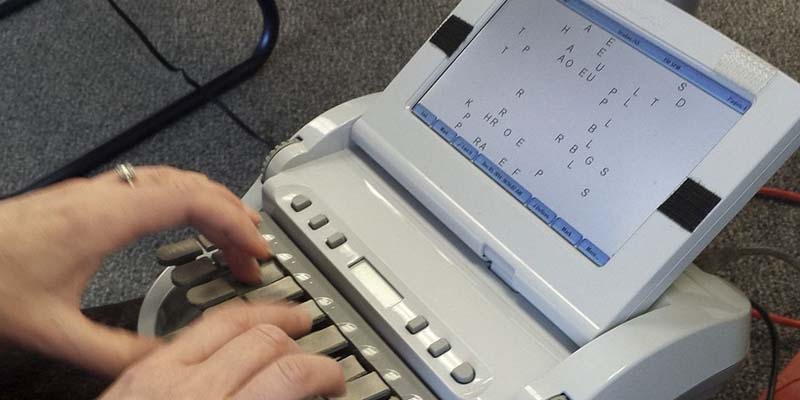
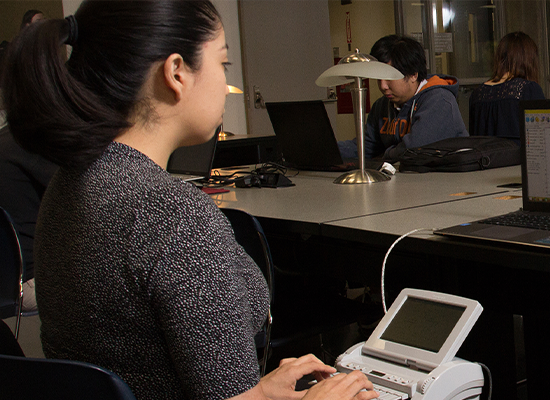
Stenography machines work as the foundation of modern court reporting, transforming talked words into composed message with amazing performance. These specialized tools make use of a distinct keyboard format that permits court reporters to type syllables and words phonetically, enabling them to capture dialogue at high rates. Making use of shorthand signs means that reporters can record conversations in genuine time, guaranteeing precise documents of legal procedures. Stenography devices are geared up with innovative modern technology, including software that can translate stenographic notes right into readable text. This assimilation of software and hardware greatly enhances the speed and accuracy of court reporting, making it an important tool in the lawful field. Therefore, stenography remains a vital ability for experts in the court room.
Digital Recording Techniques
Innovations in technology have actually increased the devices available for court reporting beyond conventional stenography devices. Digital videotaping methods have become a reputable option, recording audio and video clip of lawful proceedings with high fidelity. These systems utilize microphones and taping tools purposefully placed to ensure clarity and reduce history noise, giving a complete record of conversations and testimonies. The tape-recorded web content can be repeated for precision during transcription, allowing court reporters to verify details efficiently. Additionally, electronic recordings can be kept firmly for future recommendation, enhancing access and preserving the honesty of the legal procedure. As courts accept these contemporary technologies, digital recording strategies play an increasingly critical duty in maintaining precise and efficient documentation.
Real-Time Transcription Software
As courts significantly embrace technology to boost the lawful process, real-time transcription software has come to be an essential device for court press reporters. This cutting-edge innovation permits court press reporters to transcribe spoken dialogue promptly, offering prompt accessibility to exact documents throughout proceedings. By converting spoken words right into message as they are spoken, real-time transcription software application promotes effective interaction between attorneys, judges, and other court individuals. The software application frequently integrates with court room stereo, making sure that every word is caught with precision. Furthermore, it can produce transcripts for testimonial and circulation, enhancing the documentation process. Consequently, real-time transcription software not just boosts the efficiency of court reporting yet likewise boosts the overall availability of lawful proceedings.
The Function of Court Reporters in Maintaining Court Honesty
In addition, stenotype reporter add to the transparency of the judicial process. By supplying comprehensive transcripts, they enable the public and media to access court proceedings, cultivating responsibility. Their presence in the court likewise aids maintain etiquette, as their actions highlight the severity of the legal process.
In addition to technical abilities, court press reporters must exhibit professionalism and trust and impartiality, essential for preserving the integrity of the judicial system. Ultimately, their thorough initiatives sustain reasonable test legal rights and reinforce public self-confidence in the lawful framework.
The Future of Court Reporting in an Evolving Legal Landscape
As the lawful landscape progresses, court reporting deals with significant adjustments driven by technological innovations and a growing change in the direction of remote services. These developments are improving just how court press reporters operate, affecting both the speed and accuracy of lawful paperwork. The future of this profession will likely depend upon its versatility to these emerging patterns.
Technical Innovations Impacting Reporting
Many technological innovations are improving the landscape of court reporting, ushering in a new age of performance and precision. Digital tape-recording systems have become commonplace, permitting accurate audio capture throughout proceedings. These systems usually integrate with transcription software, assisting in faster turnaround times for records. Furthermore, artificial intelligence is playing a significant role in streamlining the transcription process, with speech acknowledgment modern technology assisting reporters in creating more accurate documents. In addition, cloud-based storage space remedies improve accessibility, making it possible for lawyers to retrieve and share records easily. As these technologies proceed to develop, they guarantee to more transform the court reporting occupation, improving the general lawful process while maintaining high standards of professionalism and stability.
Change Towards Remote Providers
The legal landscape is progressively embracing remote solutions, reshaping how court reporting is conducted. This change has actually been accelerated by technological improvements and the requirement for adaptability throughout recent international occasions. Stenotype reporter now utilize video conferencing systems to assist in depositions and hearings, permitting for better ease of access and effectiveness. Remote services try this website make it possible for engagement from numerous locations, reducing traveling costs and logistical difficulties. Additionally, digital transcription devices boost accuracy and streamline the documentation process. As the legal market adapts, stenotype reporter are called for to create brand-new abilities and familiarize themselves with arising innovations. This evolution offers both challenges and chances, pushing the profession in the direction of a much more incorporated, technology-driven future while preserving its core dedication to providing accurate and reputable lawful paperwork.
Often Asked Questions
Just How Much Do Court Reporters Usually Gain Each Year?
Stenotype reporter generally make between $50,000 and $100,000 every year, depending upon experience, location, and the demand for solutions. Specialized qualifications or abilities can even more raise their making possibility in numerous legal settings.
What Is the Ordinary Period of Court Reporting Training Programs?
Court reporting training programs generally last between 18 months to 2 years. This duration differs based upon the organization and the particular curriculum, incorporating both theory and sensible skills vital for aiming stenotype reporter.
Can Court Reporters Work Remotely for Lawful Proceedings?
Yes, court reporters can work from another location for legal process, utilizing innovation to transcribe audio and video feeds. This adaptability allows them to supply accurate documents while maintaining the stability of the lawful process.
What Is the Distinction Between a Court Press Reporter and a Clerk?
A court press reporter focuses weblink on transcribing lawful proceedings, while a stenographer concentrates on shorthand creating for various contexts, consisting of meetings and conferences. Both roles entail recording talked words yet differ in their specific applications and atmospheres.
Are Court Reporters Required to Have Licenses or certifications?
Yes, court reporters are typically called for to get accreditations or licenses. These credentials guarantee they possess the necessary skills and expertise to accurately record legal proceedings, maintaining the integrity of the judicial procedure.
Numerous court reporters have certification from recognized programs, which typically consist of extensive training in transcription strategies and lawful values. One noticeable type is deposition reporting, where court reporters transcribe witness testimonies outside of court settings, usually for use in trials. As courts progressively take on technology to boost the lawful procedure, real-time transcription software application has come to be a vital device for court reporters. Yes, court reporters can work remotely for legal process, making use of technology to transcribe audio and video feeds. A court press reporter specializes in transcribing lawful process, while a clerk concentrates on shorthand writing for numerous contexts, consisting of conferences and meetings.
Comments on “How durham court reporting contributes to courtroom transparency and accountability”